Research
Nine home-built machines and projects in four directions, all built around ultracold strontium.
Quantum gases & simulation
Continuous Bose–Einstein condensates and atom lasers, Rb–Sr mixtures, and single atoms in tweezer arrays as quantum simulators.
SrPAL
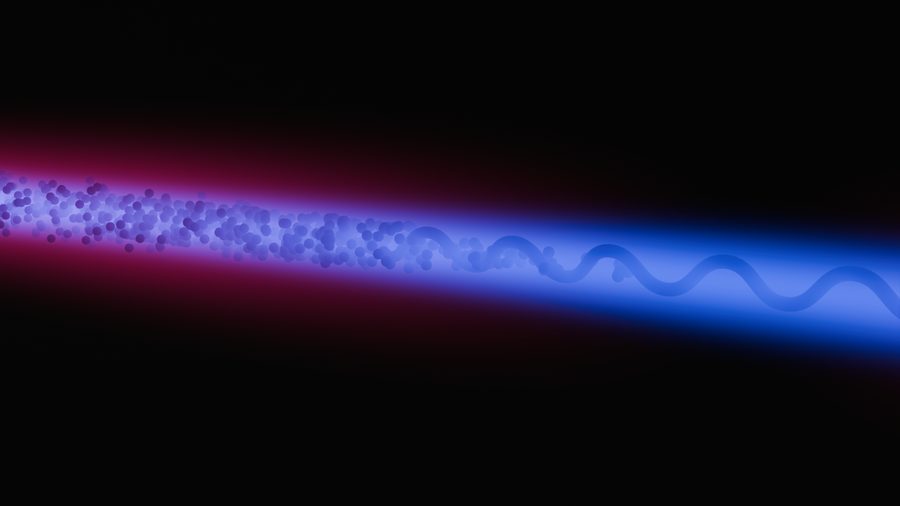
SrPAL turns a hot strontium beam into ultracold quantum matter in a continuous flow. In 2022 it produced the first continuous Bose–Einstein condensate; the next goal is to extract a continuous atom laser from it.
RbSr
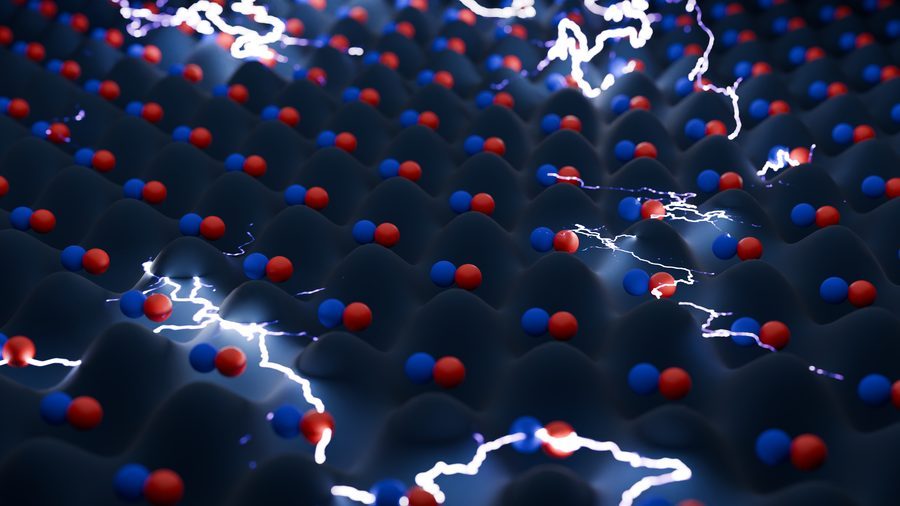
RbSr mixes ultracold rubidium and strontium to create a new kind of molecule that has both an electric and a magnetic dipole moment. Along the way the machine discovered Feshbach resonances between alkali and closed-shell atoms and measured the g factor of 87Sr to the parts-per-million level.
SrMic
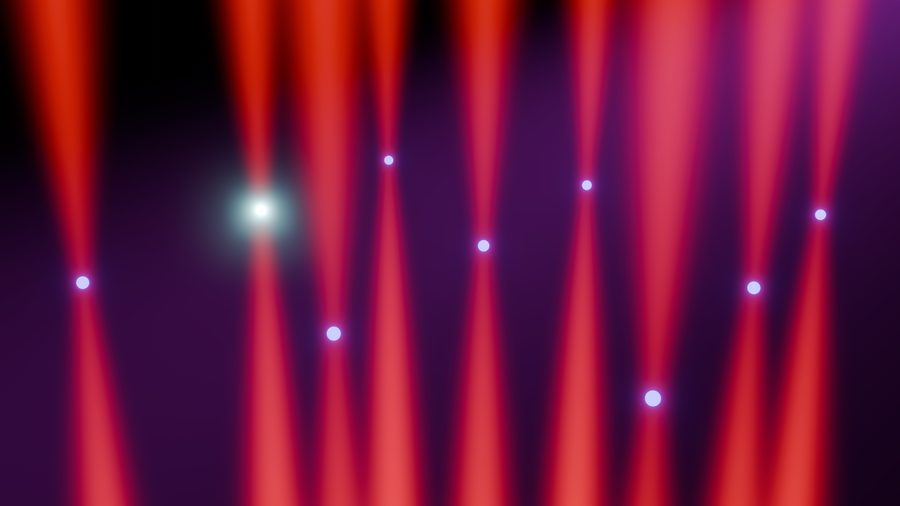
SrMic traps individual strontium atoms in arrays of optical tweezers, arranges them into any geometry we like and couples them through Rydberg excitations. It is our platform for quantum simulation and computing within QDNL.
Continuous quantum sensing
Sensors that never stop measuring: superradiant lasers, an active optical clock, a clock without dead time, and continuous atom interferometry.
kHz superradiant laser
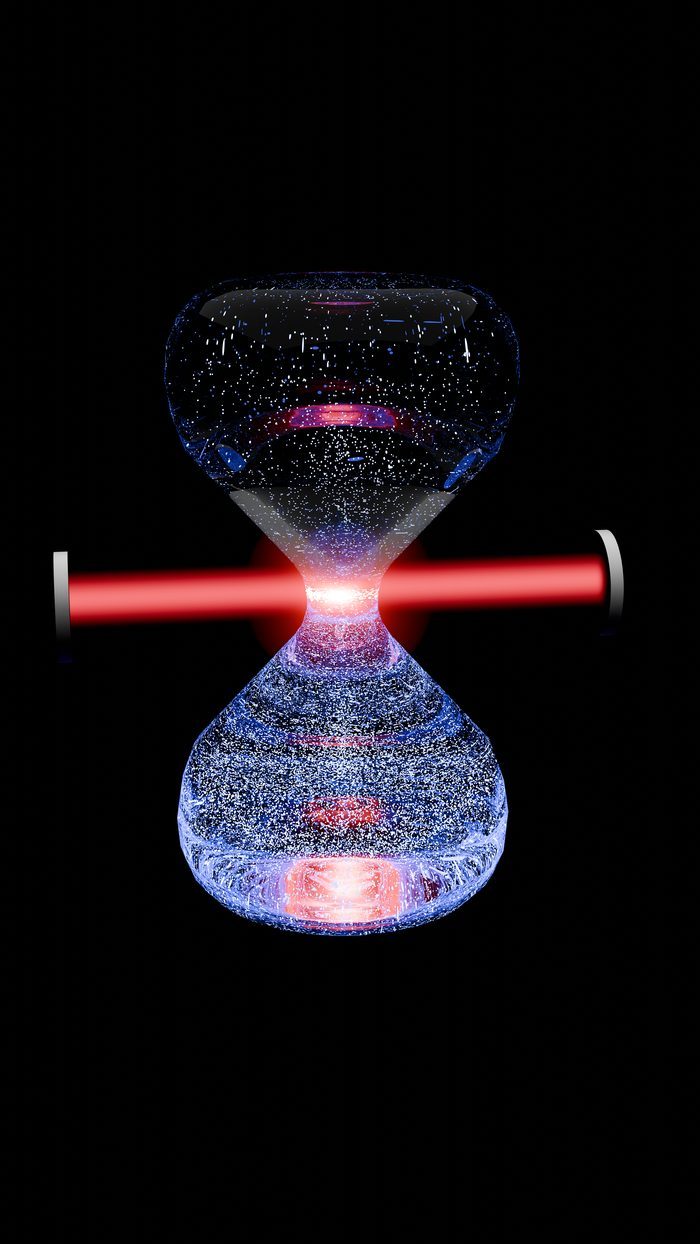
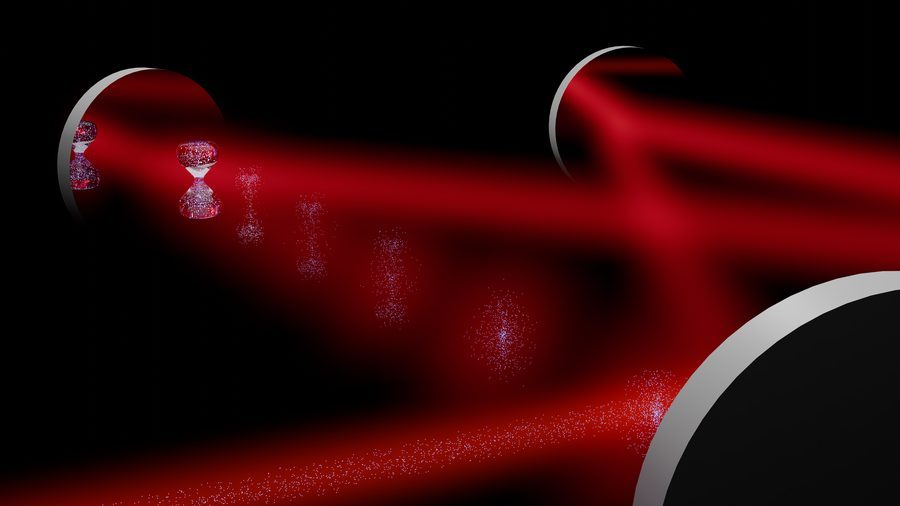
A continuous beam of strontium atoms crosses an optical cavity, where the atoms couple collectively to the light. We work towards continuous superradiant lasing on the 7.5 kHz-wide intercombination line: a laser whose frequency is set by the atoms rather than by the mirrors.
mHz superradiant clock
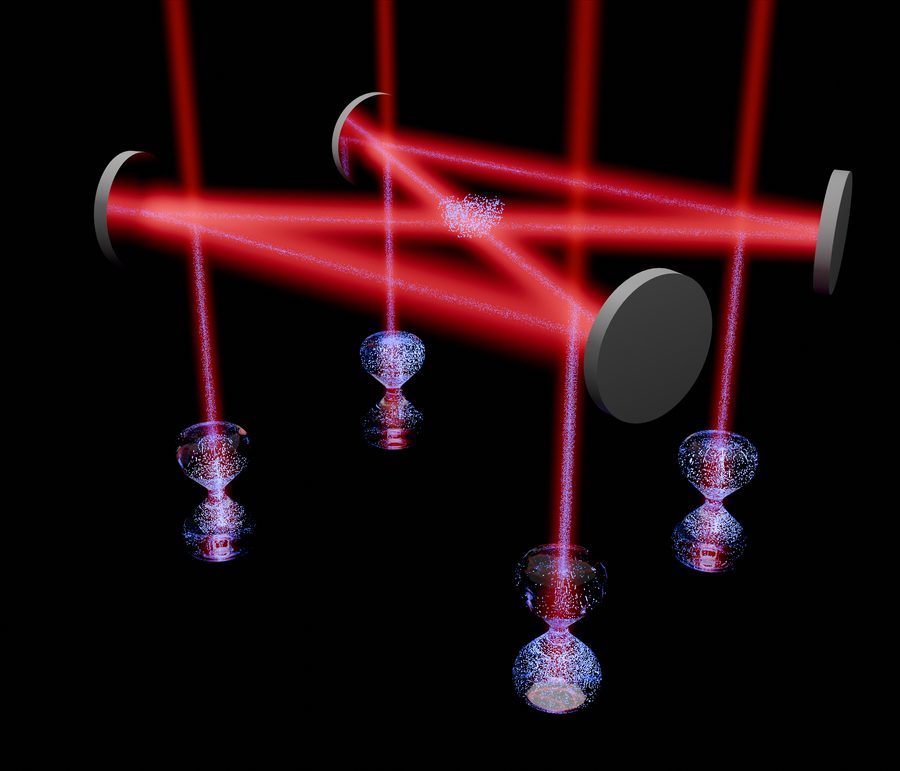
Instead of steering a laser to the atoms, let the atoms produce the clock light themselves. We combine a continuous source of ultracold strontium with a ring cavity to work towards continuous superradiant lasing on the clock transition: an active optical clock.
Zero-dead-time clock
Conventional optical clocks are blind while they prepare new atoms. Our zero-dead-time clock feeds several atomic ensembles from one steady-state ultracold source, so that at every moment some of the atoms keep watching the clock laser.
Time & frequency
The Dutch node of the European optical time and frequency distribution network.
Clock technology
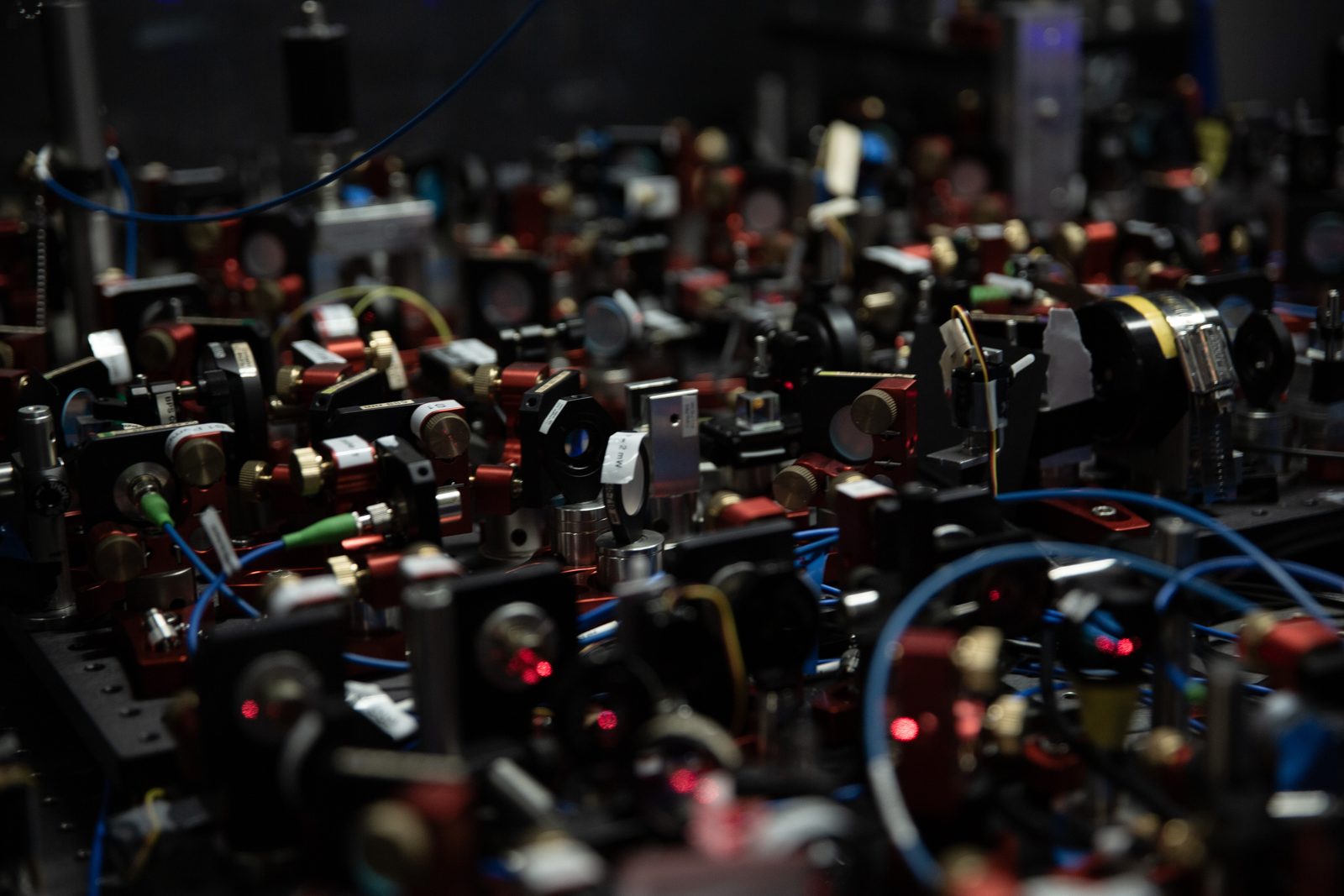
A transportable optical clock built with industry, and our optical circuit board spin-off.
AQuRA
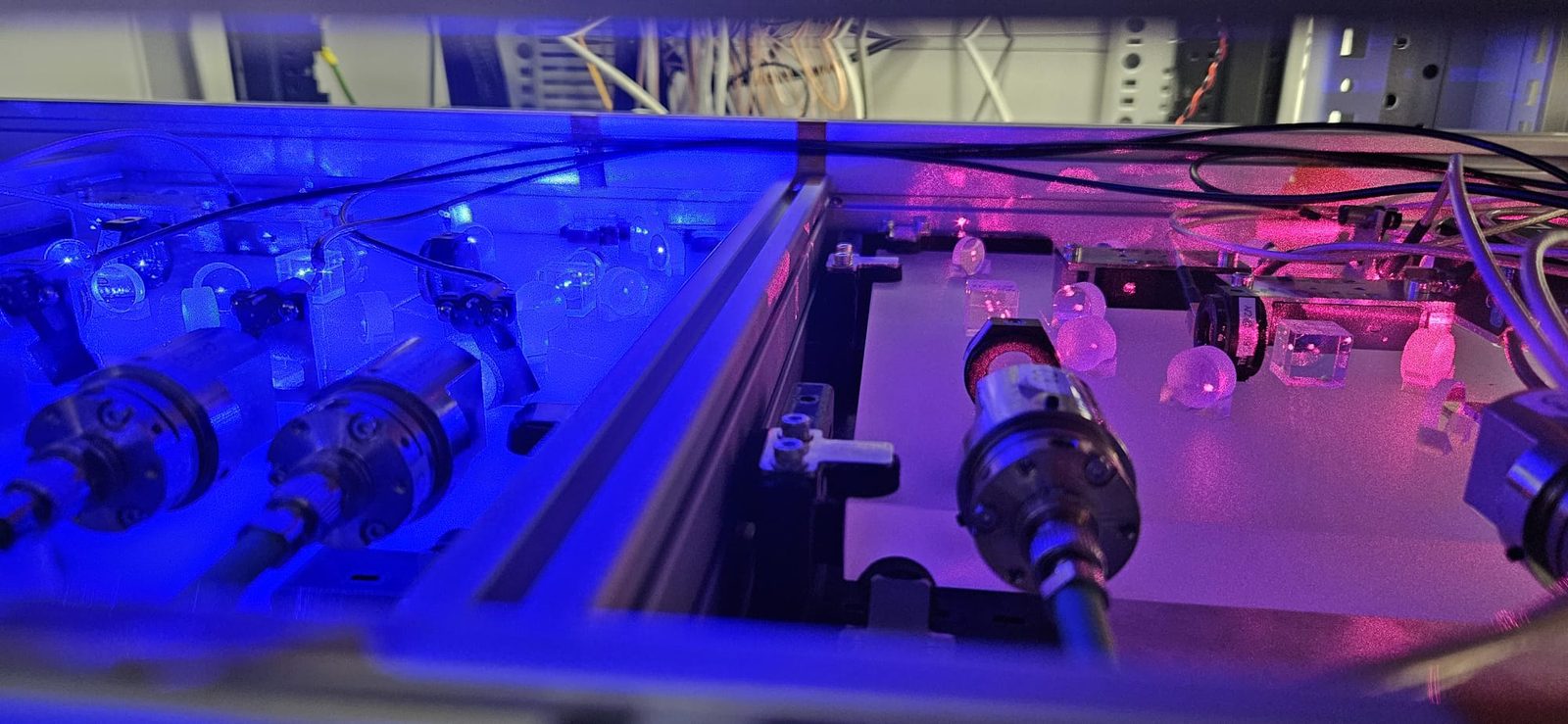
AQuRA is an EU Quantum Flagship project, coordinated by our group, in which an industry consortium builds a transportable strontium optical lattice clock. We contributed the optical circuit boards and the control electronics.
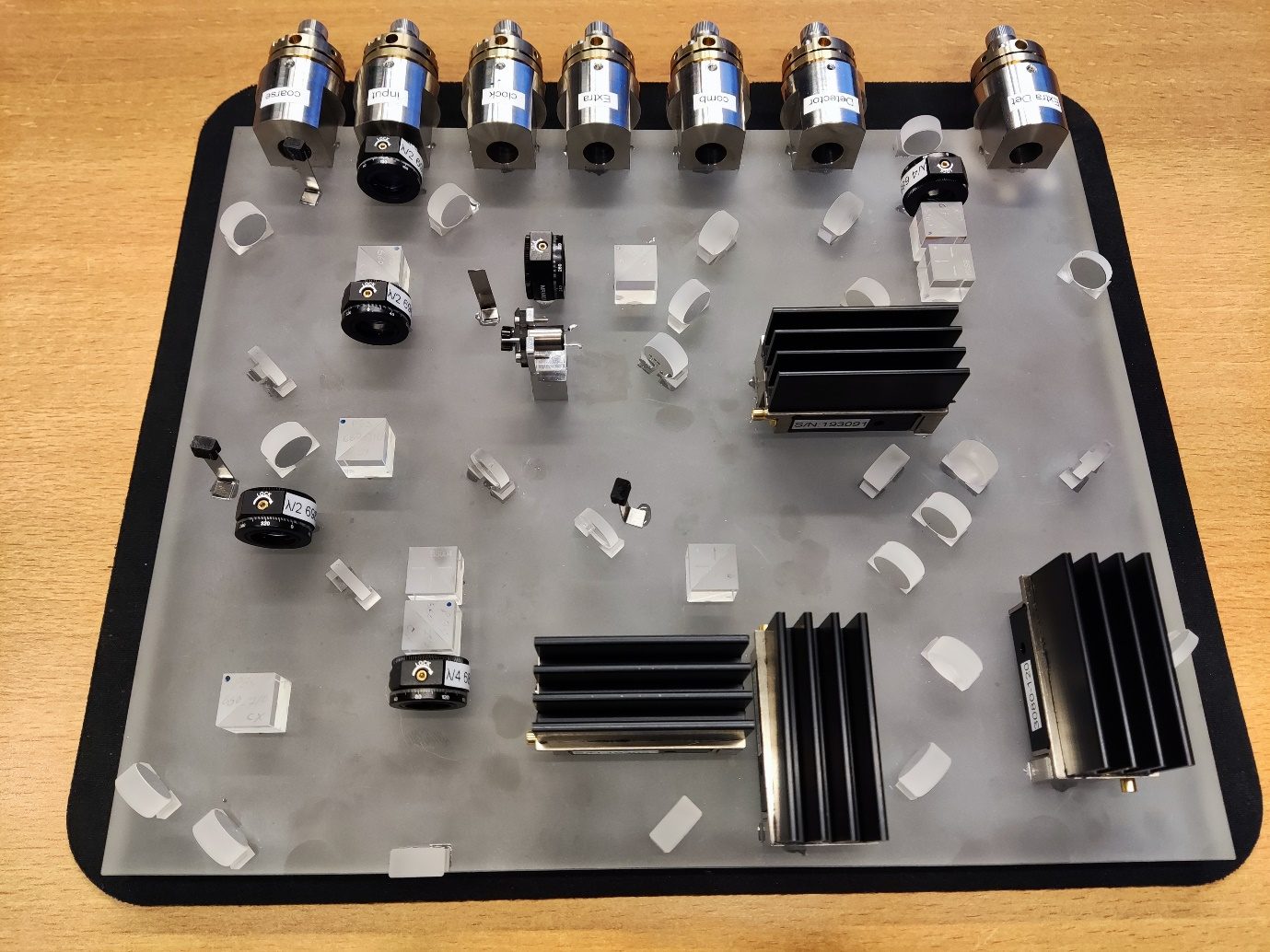
OpticsFoundry
OpticsFoundry B.V. is a 2025 spin-off of our lab. It designs, robotically aligns, bonds and tests free-space optical circuits on glass baseplates, so that laser optics for cold-atom experiments becomes as easy to order as an electronic circuit board.
Previous experiments & tools
Where it all started, and some of the tools we built along the way.
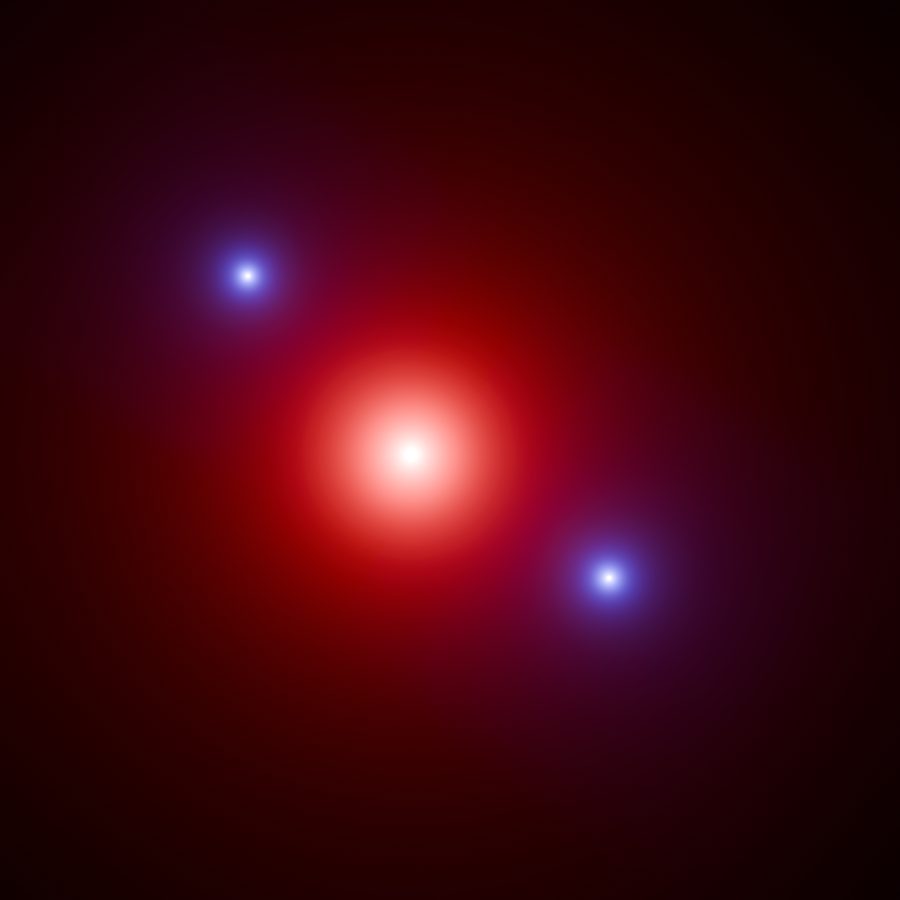
SrBEC
Built in an empty lab in Innsbruck, this machine created the first Bose–Einstein condensate of strontium in 2009, followed by quantum gases of all strontium isotopes, Sr2 molecules and a BEC made by laser cooling alone. In 2013 it moved to Amsterdam, where it lives on as the RbSr machine.
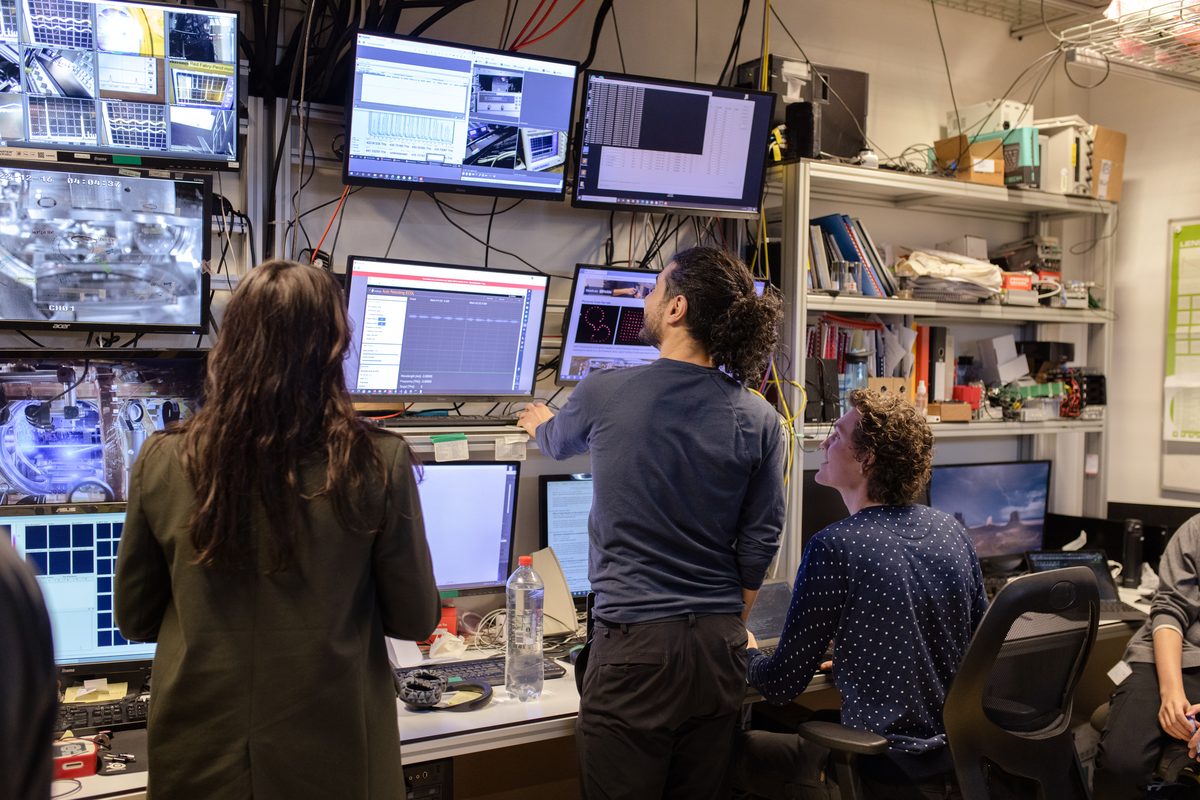
Control system
The experiment control system we developed for our machines. Its modern successor is available from OpticsFoundry.